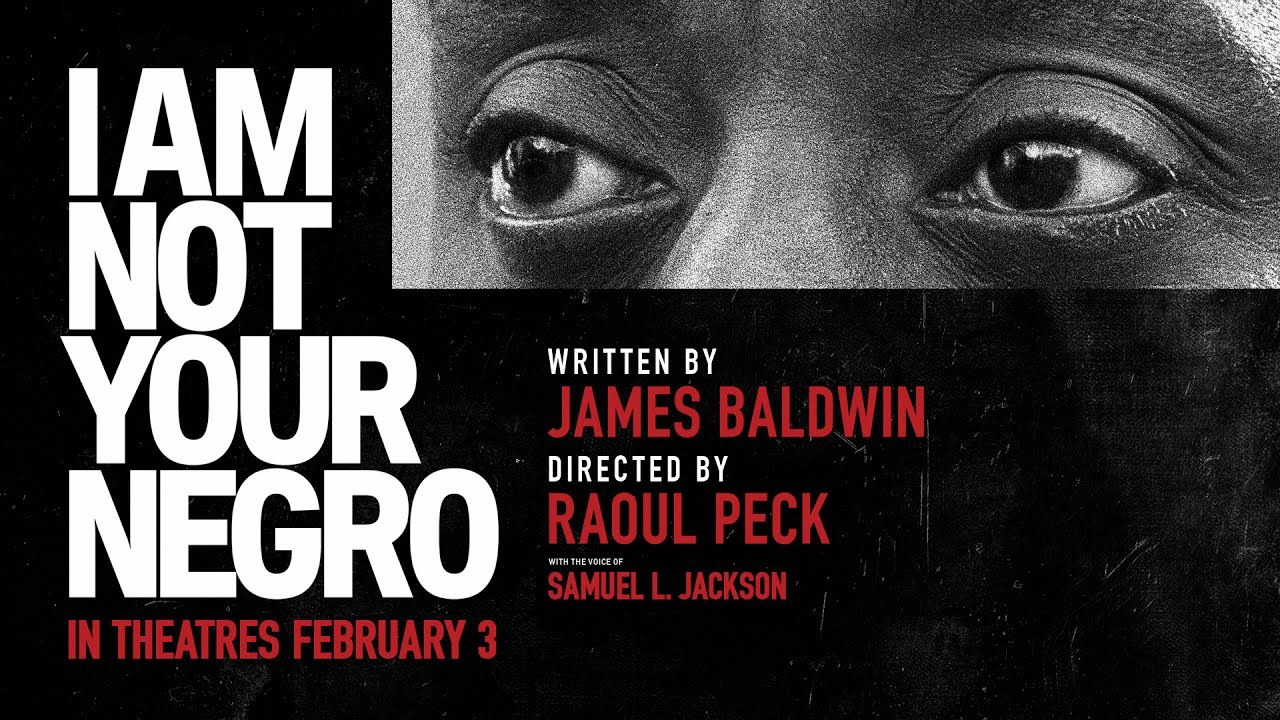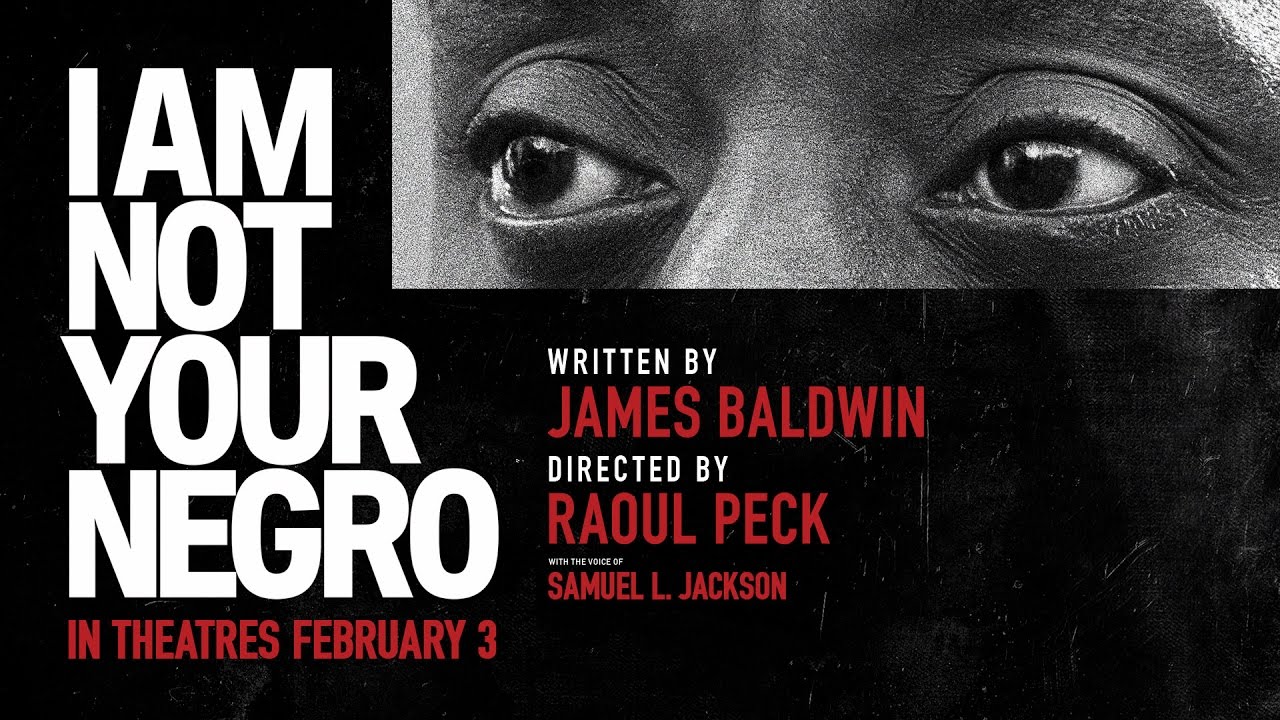
In 1979, James Baldwin wrote a letter to his literary agent describing his next project, Remember This House. The book was to be a revolutionary, personal account of the lives and successive assassinations of three of his close friends—Medgar Evers, Malcolm X and Martin Luther King, Jr.
At the time of Baldwin’s death in 1987, he left behind only thirty completed pages of his manuscript.
In ‘I Am Not Your Negro” Baldwin’s unfinished manuscript comes to life narrated by Samuel L. Jackson through the eyes of Baldwin. Peck through, archival footage explores Baldwin’s relationship with King, Evers and Malcolm X along with disparate images such as Aunt Jemima ads, videos of Black Lives Matter protests, and scenes from Uncle Tom’s Cabin and Guess Who’s Coming to Dinner.
[ione_embed src=https://www.youtube.com/embed/rNUYdgIyaPM service=youtube width=560 height=315 type=iframe]
The documentary opens with Baldwin becoming weary while in Paris of the international discussions of his hometown, his race, his people and makes the decision to return to Harlem, noting, “Everybody else was paying their dues, and it was time I went home and paid mine.”
Although never characterizing himself as an activist to the burden of King, Evers or Malcolm X, he defines his role as a witness. “Part of my responsibility as a witness was to move as largely and as freely as possible to write the story and to get it out.”
And witness he did, Baldwin, who was an avid critic of Hollywood during his time, continuously pointed out the emasculation of black men in film.
In “Guess Who’s Coming to Dinner” — Sydney Poitier is portrayed as an educated, respectable, fully realized black man — but “you still had this very uneasy feeling” with this “very elitist image.”
Baldwin articulates this uneasiness and describes how despite Poitier’s leading-man status, black actors such as him weren’t portrayed as sex symbols — they were almost asexual beings. With “Guess Who’s,” Baldwin says, black audiences felt “Sidney was, in effect, being used against them” to reassure whites. These layers are still poignant present day when popular culture has never been more powerful.
In 2017 James Baldwin’s words still catch us unprepared and with the same violent truth. There will hardly ever be anything as precise, as just, as subtle, as more percussive, than the writing of this man. He understood all: politics, history, and most of all, the human factor.
Baldwin survived the magicians, the gurus and the smooth talkers of his time, black or whites. His thoughts are as effective today as when they were first expressed. His analysis, his judgment, his verdicts are even more percussive today than when originally written.
There has been an evolution, but within today’s context of extreme violence in America, especially against blacks, I Am Not Your Negro attempts to analyze and understand the deeper structural explanation. “Despite progress, Martin seems quite lonely on the mountain top.”
The cycles of violence and confusion condemned by Baldwin continue, trivialized and distorted by the influence of the press, television, Hollywood, and angry partisan politics.
How do we break these cycles when we never touch the real issues themselves? How do we address the fundamental problems of America? Never before has Baldwin’s voice been so needed, so powerful, so radical, so visionary.
I AM Not Your Negro: A Witness to the Past, A Message to the Future