


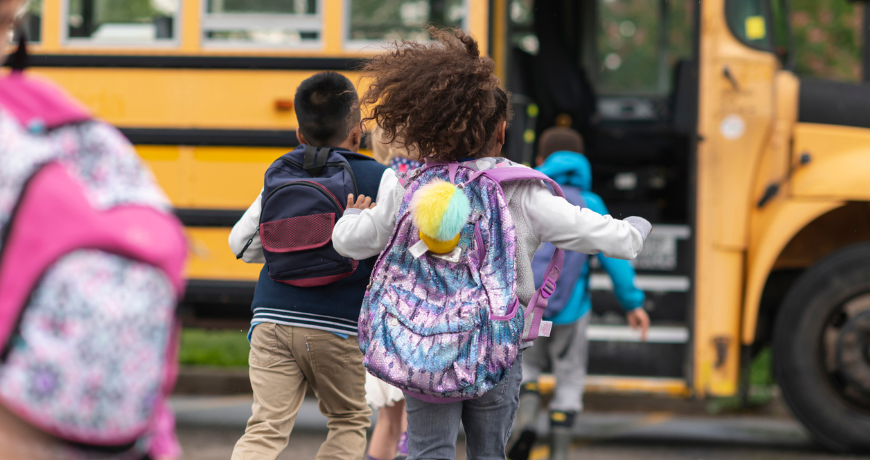
Education serves as a transformative force in today’s growing world, shaping individuals and communities alike. While various educational experiences exist, field trips hold a special place as they enable students to break free from the classroom and immerse themselves in real-world learning environments. Field trips hold an exceptional significance within the Black community by helping foster cultural awareness, inspiring academic curiosity and empowering young minds to overcome societal barriers.
Disproportionate classroom ratios, lack of chaperone support and limited funding options have made it increasingly challenging for schools to organize and provide enriching educational experiences outside of the classroom. Addressing these issues and providing the necessary support is crucial to ensure that all students, regardless of their socioeconomic backgrounds, have equal access to valuable educational opportunities.
The disappearance of field trips from school curricula is becoming increasingly evident, with districts nationwide reporting reductions and even eliminations of these valuable educational outings due to financial constraints. This issue holds particular significance in urban areas, where an abundance of museums are located in close proximity to neighborhoods where disadvantaged and minority children reside and attend school. Unfortunately, these children are often unable to visit museums with their families due to the exclusionary impact of educational attainment and income levels on their socialization within these cultural institutions. As a result, schools play a vital role in forming the connection between these students and the museum experience.
To address the decline of field trips, it is essential for educators, administrators, policymakers and communities to work together and prioritize funding and support for these educational experiences. Partnerships between schools, museums and community organizations can help bridge the gaps in resources and accessibility, ensuring that all students, regardless of their socioeconomic backgrounds, have equitable opportunities to participate in enriching field trips.
Field trips provide students with a unique chance to delve into diverse cultures, fostering a deeper appreciation for their own heritage while embracing the perspectives and contributions of others. In the Black community, where historical and cultural legacy carry great importance, field trips act as catalysts, sustaining cultural identity and bridging generational divides. Whether exploring museums and historical sites or engaging in community-driven initiatives, these experiences empower students to forge a profound connection with their heritage, instilling a strong sense of pride and igniting a passion to embrace their roots.
Field trips are not only an educational experience but also an opportunity to forge meaningful community connections. Collaborations between schools, organizations and local businesses can create a network of support that nurtures the growth and development of young minds. By leveraging community resources, field trips can offer students exposure to role models, mentors and professionals from the Black community who can share their experiences, provide guidance and serve as sources of inspiration. Such connections foster a sense of belonging, encouraging students to dream big and pursue their aspirations.
Achsha Jones, the CEO and founder of TripSlip, is dedicated to her life’s mission of elevating the average number of field trips in the Midwest and beyond. She is committed to making a substantial impact on the field trip landscape and believes in the importance of providing enriching experiences for students. Through her work with TripSlip, Achsha strives to foster a significant increase in the frequency of field trips, ensuring that more students have access to educational and enjoyable outings that enhance their learning and personal growth.
“TripSlip is all about making experiential learning accessible, with more than 3 million students just in the Midwest alone, each taking an average of three field trips per year. We want that number to be increased. And we can do that by taking the paper out of the process and making TripSlip a standard.”
TripSlip is a user-friendly and convenient application designed to facilitate effortless field trip transactions for teachers and parents. The primary obstacle to organizing field trips lies in the complexities of planning and coordination, which TripSlip effectively addresses. By providing teachers with a simple and efficient method to plan trips, the app holds immense potential for boosting the number of field trips conducted each year.
TripSlip offers a comprehensive overview that enables teachers to identify students in need of assistance and support. It provides valuable insights into the trip, allowing teachers to obtain a clear picture of the participants and their requirements. With TripSlip, teachers can easily access a complete snapshot of the trip, enhancing their ability to address the needs of individual students and ensure a successful experience for everyone involved.
The vanishing presence of field trips in schools, particularly in urban areas, has significant implications for the educational experiences of disadvantaged and minority children. The loss of these outings not only limits access to cultural institutions but also hampers the social, emotional and educational development of students. It is imperative to reevaluate the Importance of field trips and actively seek solutions to restore and enhance these transformative learning experiences for all students, thereby fostering a more inclusive and comprehensive educational system.