


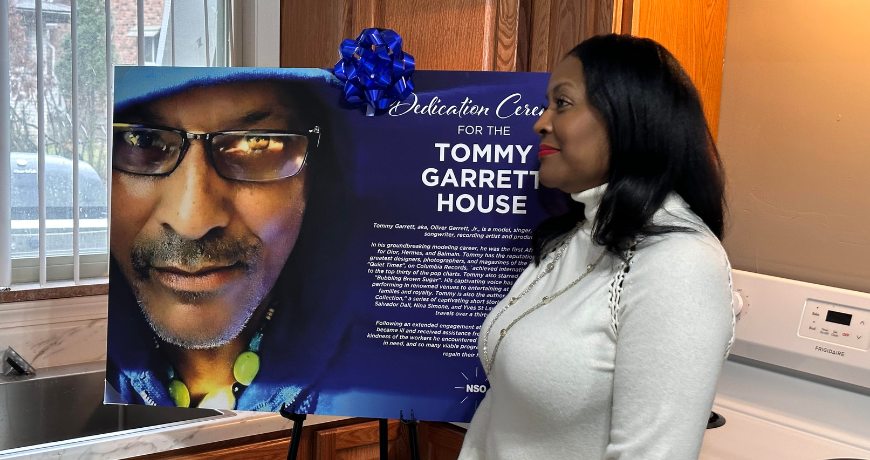
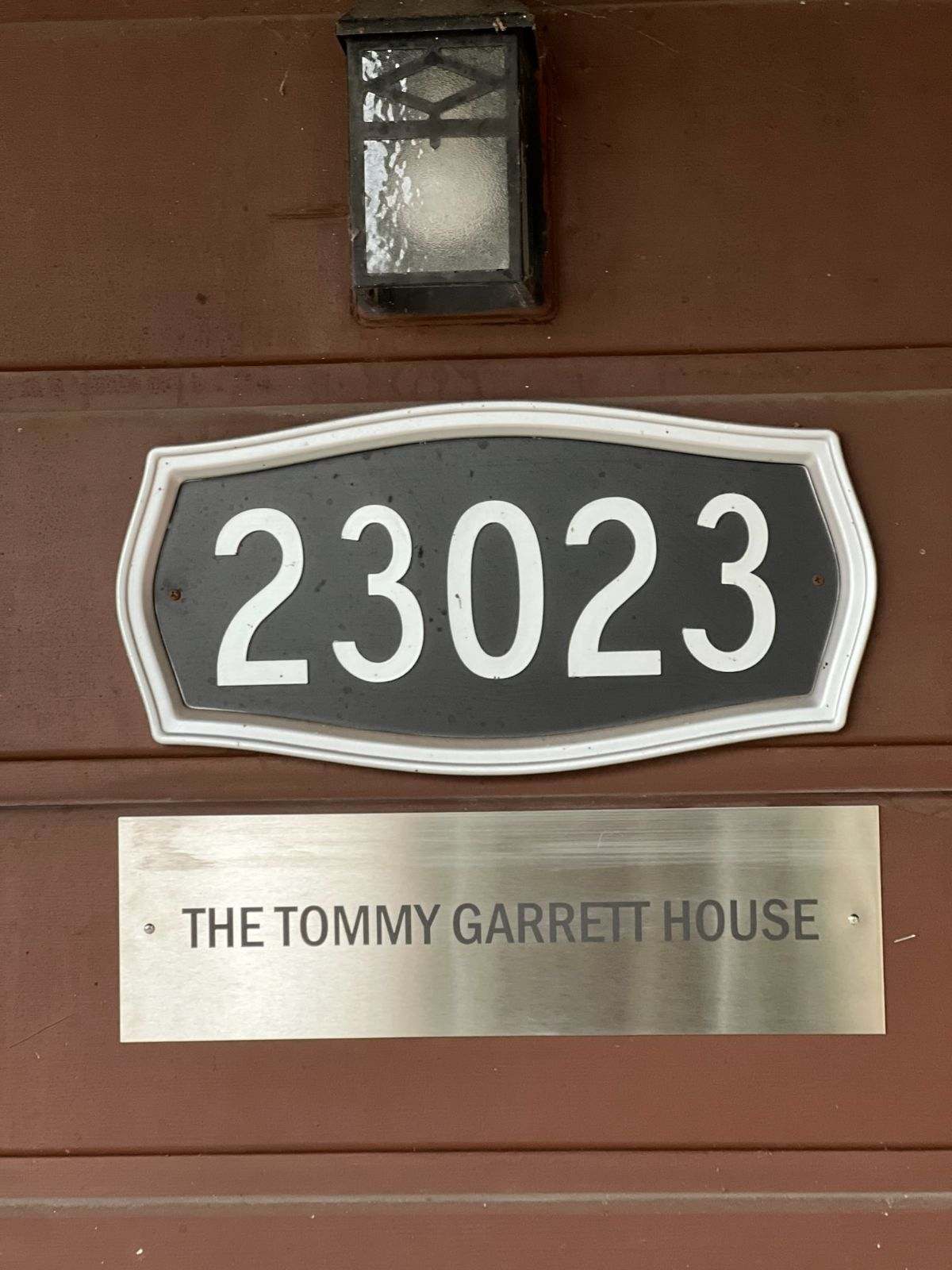
Detroit has witnessed the inauguration of a groundbreaking initiative aimed at supporting artists experiencing homelessness. The Neighborhood Service Organization (NSO), a leading entity in tackling homelessness in metro Detroit, in collaboration with The Right Productions, a key player in entertainment and event services in Detroit, has unveiled the Tommy Garrett House. This special housing project, named in honor of Tommy Garrett, an internationally recognized artist who triumphed over homelessness with NSO’s help, is a beacon of hope for artists in need.
Nestled in the heart of northwest Detroit, the Tommy Garrett House is not just a building; it’s a 1,920-square-foot canvas of possibilities. With three bedrooms, it’s a nurturing sanctuary designed to house up to six artists, offering them a chance to paint, compose, and create in a stable environment. This house is more than a shelter – it’s a stage for dreams to unfurl and a studio where the next great works of art can come to life.

The launch event was a tapestry of inspiration, featuring speeches by NSO’s President and CEO Linda Little and The Right Productions’ President and CEO Shahida Mausi, with a special virtual appearance by Tommy Garrett. The air buzzed with excitement as attendees were given a glimpse into the transformative potential of this project for Detroit’s artistic souls without a home.
“Sometimes you see a need and wish you had the ability to address it,” said Mausi. “I had long wanted a way to provide housing and support services for artists of many genres. Having worked with artists for my entire career, I’ve seen the gaps in financial and mental health services in the creative community. I dreamt of a place where creative people could feel supported and cared for during difficult times. I shared my dream with Linda Little at NSO, who has the expertise to bring a dream into reality. I’m so grateful for this collaboration with NSO and the support of Maxwell and Kem, to see Tommy’s House become a reality.”
In Detroit, a city renowned for its rich artistic heritage, the plight of artists, especially within the Black community, is a narrative often overshadowed by the struggles for economic survival and recognition. Black artists in Detroit, while contributing significantly to the city’s cultural tapestry, frequently grapple with a lack of visibility and opportunities in a landscape where art is seldom the most lucrative endeavor. This challenge is compounded by the city’s acute homelessness crisis, which affects a disproportionate number of Black residents. For many artists, the pursuit of their craft is a journey marked by financial uncertainty, often compounded by limited access to resources that nurture and showcase their talents. Detroit’s streets, echoing with the legacy of Motown and murals that speak of resilience and hope, also tell a quieter story of those artists who find themselves in the grips of homelessness, battling not only for their art but also for their very survival. This juxtaposition of creative richness against the stark backdrop of economic hardship and homelessness paints a complex picture of Detroit, a city where art is both a beacon of hope and a path fraught with challenges.
Little’s speech was a poignant reminder of the harsh reality of homelessness in Detroit. With the night sky of the city often sheltered by over 1,500 homeless individuals, the Tommy Garrett House emerges as a lighthouse in this storm. Little’s words painted a picture of a community in need, where the shadow of homelessness looms large, particularly over the Black population and victims of domestic violence.
“This initiative was made possible through supporters of our Community of Hope weekend in July and embodies NSO’s commitment to meet the evolving needs of our community,” said Linda Little, president and CEO of NSO. “Addressing the complex issue of homelessness is challenging. More than 1,500 people in Detroit experience homelessness on any given night. Despite nearly 6,000 households accessing housing assistance in 2022, a significant number are not officially considered homeless, but they lack access to safe and stable housing, resulting in a continuous cycle of transition. The overrepresentation of Black individuals among the homeless population, the prevalence of domestic violence and the median length of 69 days for homelessness highlight the challenge, emphasizing the need for comprehensive, long-term and affordable solutions, such as initiatives focused on permanent housing. The Tommy Garrett House was created to do just that for local artists.”
The birth of this project traces back to the soulful notes of the Community of Hope concert, headlined by R&B legends Maxwell and Tamia. This event, more than just a musical extravaganza, was a rallying cry for the community to unite in the fight against homelessness. The funds raised here have been the seeds from which the Tommy Garrett House has blossomed.
Mausi’s dream of a haven for artists was shared with Little, leading to this beautiful collaboration. Mausi’s vision was to create a place where artists could not only find refuge but also rediscover their muse and rekindle their creative fire.
Looking ahead, the 2nd annual Community of Hope is poised to light up Detroit from August 2-4, 2024. It promises to be a symphony of hope and talent, headlined by Kem, and a Day of Hope that bridges the gap between the homeless and the heart of the city.
The Tommy Garrett House stands as a bold stroke on Detroit’s canvas, a place where art and heart converge to offer a new beginning for artists who have long been without a home. It’s a story of resilience, hope, and the enduring power of creativity, a story that is quintessentially Detroit.