


When a CEO or other C-suite leader retires, what’s next with their sought-after skills and their future?
It’s a question many might already be thinking about because each year over one hundred CEOs typically retire from the S&P 1000, according to Tri Capital Group.
Last July alone, more than 1,300 CEOs from major corporations throughout the world left their top-ranking positions, according to reports.
Typically, the average CEO retires at 62 and has an average lifespan in the mid-eighties, according to Tri Capital Group. Retirement can, however, be a rough transition for those who choose to leave their lucrative fields which could lead to depression, social isolation, and a “loss of purpose,” especially if their self-worth is tied to their measurement of success or competition, according to the article.
The best way to ensure retirement success, is to have a solid plan when the time comes to transition.
Tri Capital shared some tips to retire successfully, including:
- Take on a smaller job or volunteer.
- Use your leadership skills in other comparable fields.
- Serve on a board.
- Lead in new arenas.
- Connect with worthy causes.
- Explore your passions and interests.
- Spend more time with family.
- Become a mentor.
- Find your purpose.
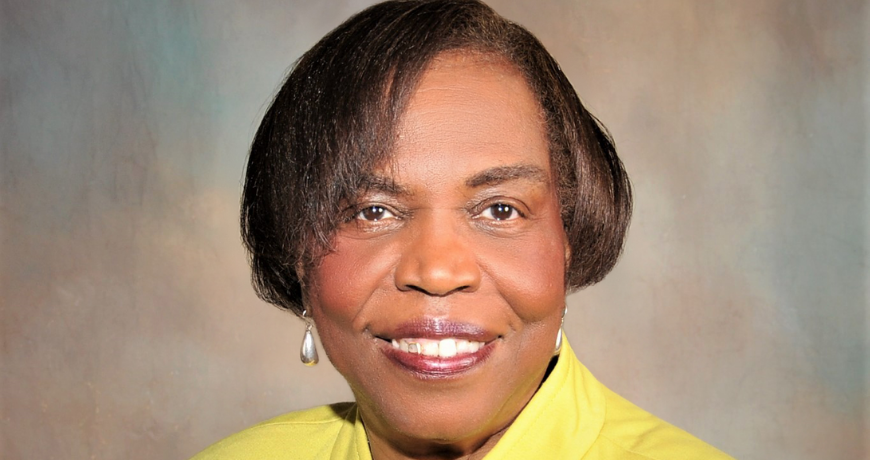
Detroit-based Tommye Hinton, 70, did just that.
Hinton, a leadership coach, consultant and planner is also a former chief nursing officer from Rochester, NY, who retired in 2017 at the age of 66.
Hinton is now CEO of Brown ePoints Leadership Coaching/Development Firm, which she officially launched in 2021.
“I knew before I retired this was the path I wanted to pursue,” Hinton told The Michigan Chronicle recently.
Hinton opened her business when she saw a need and a gap in the healthcare system where Black leaders were not receiving their due.
“I began to formulate a plan, a vision to pursue it upon retirement,” she said, adding that she did a lot of preparatory work, market research and more before the launch of her leadership coaching and development firm. “[The] primary emphasis is on leaders of color.”
Hinton said that retirement options are “different for everybody” and what they want to achieve at the end of the day — even if that achievement is just taking a break. For her, retirement was about transitioning to a new career of her making.
“Where can you contribute in a way that perhaps [is] different or in the same fashion as it was when [you] were working full time?” Hinton said, adding that for herself, she wanted to find a target group of individuals and assist them in their own careers.
Hinton is using her talents, gifts and energy to give back and mentor.
“The whole concept of mentoring others along the way is helping people benefit in areas where you’ve got great learning and experience or taking your learning and experience and doing something else,” Hinton said. “For me, it wasn’t about just doing nothing. … I am an individual who enjoys contributing to the profession. I always want to do that.”
Hinton was 19 when she had her first nursing job as a freshman in college. She said that with a bachelor’s and master’s degree under her belt, her career turned out the way she wanted decades later, and not even retirement can stop that.
“It turned out exactly how I thought it would,” she said.